Not a Shortcut: How AI Amplifies the Work of Instructional Leaders
Artificial intelligence is not a shortcut — it is a thought partner. This session explores how one EAL coordinator used AI to accelerate system-level change: building data briefs, individual language plans, leadership proposals, and coaching frameworks that would have taken months to produce alone. But the bigger argument is this — when educators engage AI as a collaborative thinking tool rather than a content generator, it amplifies professional expertise rather than replacing it. Participants will explore practical entry points for using AI in their own planning, advocacy, and system design work, regardless of role or context.
Presenter
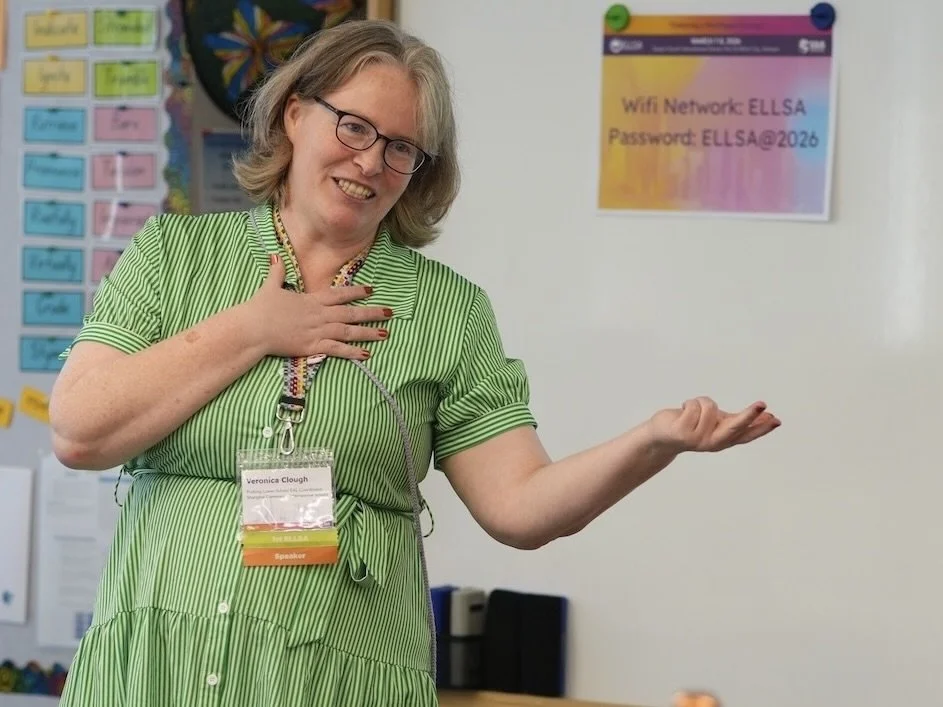
Veronica Clough
EAL Coordinator
Shanghai Community International School
Veronica Clough is an EAL Coordinator and instructional leader at Shanghai Community International School, where she designs campus-wide language frameworks grounded in WIDA ELD Standards, UDL, and IB PYP. With over 20 years of experience across China, Germany, Thailand, and Canada, she brings an early childhood leadership lens to multilingual learning systems — believing that when educators understand how language grows, every classroom becomes a richer place for every student. A published researcher and conference presenter, Veronica is particularly interested in moving EAL from a pull-out service into a whole-school, MTSS-aligned model of language instruction.