From Data to Dialogue: Using Assessment and Feedback to Strengthen Writing in Humanities
How can assessment data help us better understand student thinking and language development in humanities classrooms? This session explores how question-level analysis and formative assessment can help teachers identify misconceptions, language gaps, and patterns in student writing. Through practical classroom examples, we will examine how purposeful qualitative feedback can move beyond correcting errors to encouraging reflection, deeper thinking, and greater independence. The session will focus on practical strategies that help multilingual learners access complex humanities tasks while maintaining high expectations.
Presenter
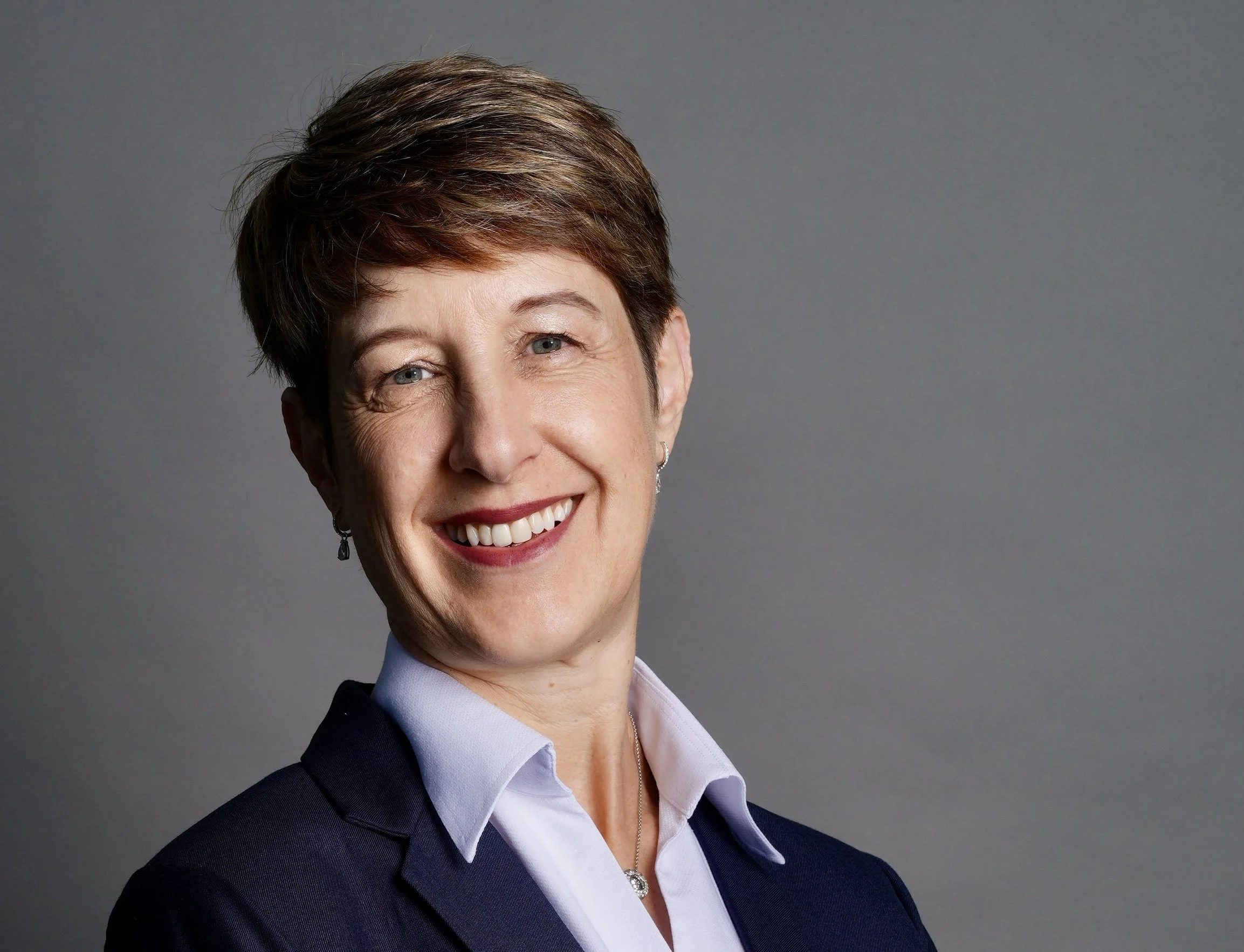
Andri Nel-Rasmussen
Dean of Academics
Vanke Meisha Academy
Dr. Andri Nel-Rasmussen is an international educator currently based in Shenzhen, China, where she works with multilingual learners in the humanities classroom. Her work focuses on formative assessment, instructional clarity, feedback, and helping teachers use data meaningfully to support student learning.
Andri is particularly interested in how language, cognition, and classroom routines shape learning across subject areas. Drawing from her experience in international schools, she enjoys exploring practical ways teachers can use assessment and reflection to better understand student thinking, identify misconceptions, and support deeper learning without lowering expectations.