Everyone is a Language Teacher: Bridging Content and Language in the Science Classroom
Tired of teaching Science as if language doesn't matter? This session explores how intentional language bridging transforms Science classrooms from content-delivery zones into spaces where all learners can access, engage with, and articulate complex ideas. We'll examine research-backed strategies for weaving language development into Science instruction, challenge the assumption that "hands-on" means "language-light," and showcase real classroom examples where scaffolding scientific language becomes a natural part of inquiry, not an add-on.
Presenter
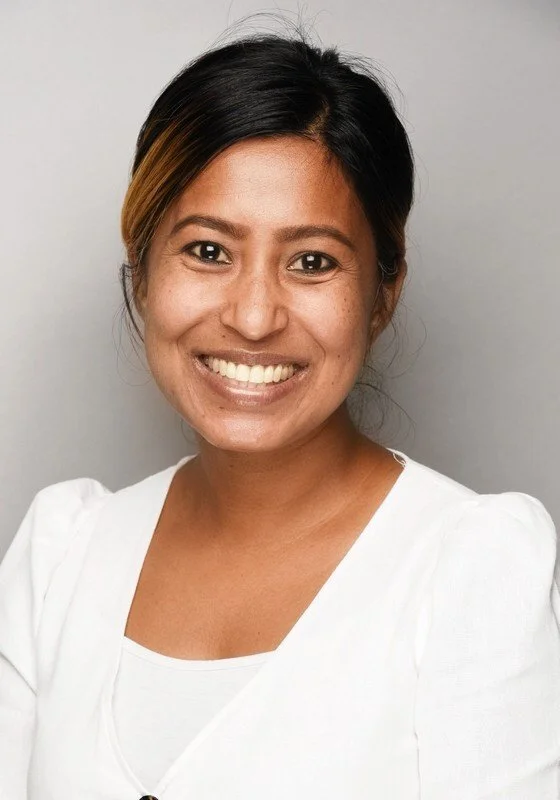
Aranyani Ghorai
Secondary Science and Design Teacher
Boston International School, Wuxi
My name is Aranyani, and I am an educator with over 15 years of experience in international teaching and IB education. I have taught across both primary and secondary levels, and I currently teach Science and Design at secondary school. Teaching isn't just my profession, it is my passion.
Throughout my career, I have had the privilege of mentoring teachers, leading internal professional development, and helping refine curriculum to better meet diverse learning needs. These experiences have deepened my commitment to creating inclusive classrooms where every student can thrive.
For me, teaching is about nurturing the whole child, creating environments where empathy, equity, and curiosity shape how we learn and grow together. That is why today's topic, 'Everyone is a Language Teacher – Building Bridges Across Content and Language,' resonates so deeply with me. I believe that language is not the sole responsibility of the language department; it is a bridge that connects all subjects. When we as educators recognize that we are all language teachers, we open doors for every student to access learning meaningfully.
I look forward to exploring this with everyone, and I hope we can share ideas on how to build those bridges together.